





Identify Golf Cart Battery Gas Causes

If you encounter a strong sulfurous odor (“rotten egg” smell) or a pungent smell, it is usually due to gases (hydrogen or sulfides) released from lead-acid batteries during overcharging or electrolyte decomposition. It can also be caused by aging batteries, charger malfunctions, or lack of water. First, visually inspect the battery casing for bulging and terminals for corrosion, and measure the voltage of each cell to determine if any individual cells have failed. If you smell an odor while charging, stop charging immediately and ventilate the area. These gases are flammable and pose a risk of explosion or poisoning in confined spaces; therefore, identifying the cause is the first step.
Immediate Safety & Diagnostic Steps for golf cart battery gas
If a suspected golf cart battery gas issue is confirmed, immediately disconnect the power and move the vehicle to a well-ventilated area (if possible). Do not continue charging in an enclosed garage. Check and record the charger model and charging curve (whether it is an adapter for lead-acid batteries), measure the voltage of each battery cell, and check the electrolyte level and appearance (for leaks or grayish-white corrosion). If the battery casing is bulging, smoking, or leaking liquid, avoid touching it and contact a professional. Fire and safety departments recommend maintaining good ventilation at the charging point and avoiding sources of ignition and sparks.
Repair and Maintenance to Stop Golf Cart Battery Gas
Common repair steps include: replacing or calibrating the faulty charger (to prevent overcharging), replenishing electrolyte (adding water to lead-acid batteries after full charging), cleaning and tightening the terminals, and repairing or replacing damaged battery cells. Regular maintenance (e.g., monthly terminal checks, quarterly electrolyte checks) can significantly reduce the probability of gassing events. Improving ventilation in the charging environment (or charging outdoors) is one of the most effective preventative measures. For older battery packs that frequently experience gassing, it is recommended to replace the batteries rather than continue repairs.
When to Consider a Lithium Battery to Reduce gas
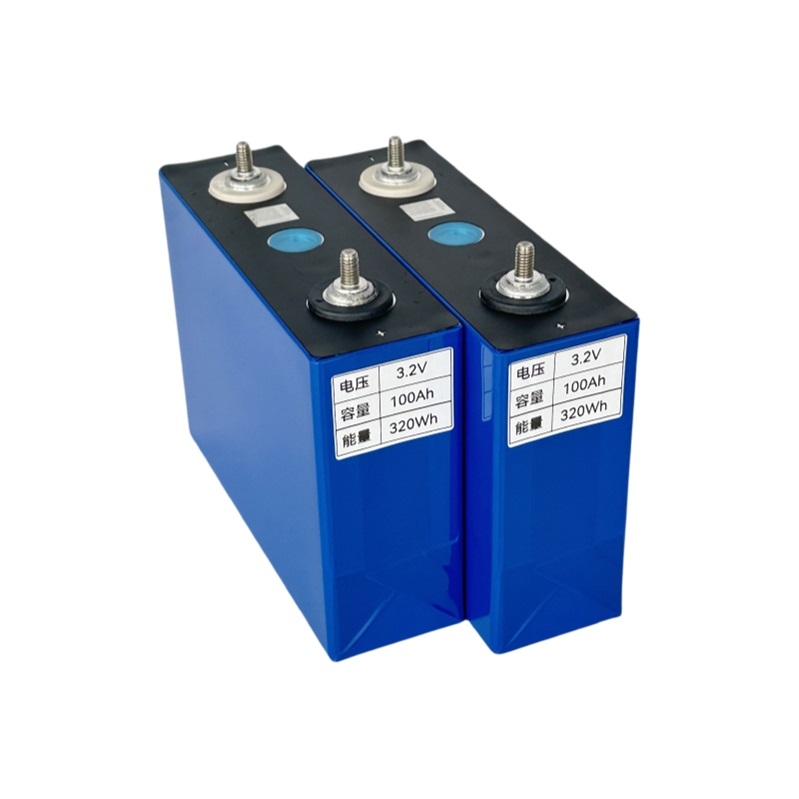
If you wish to reduce gas issues and maintenance burden during charging, you can consider replacing lead-acid batteries with qualified lithium batteries (such as LiFePO4). Lithium batteries, under normal charging conditions, produce almost no hydrogen or sulfide odors like ventilated lead-acid batteries, and are lighter, have a longer cycle life, and require less maintenance; therefore, in the long run, they can significantly reduce the risks and maintenance costs associated with gassing. However, lithium batteries also have their own safety requirements (prevention of thermal runaway, proper BMS and charger configuration), and not all lithium chemistry systems are the same; voltage and management system compatibility must be confirmed before replacement.
Quick Checklist & Comparison Table
The table below provides a quick comparison of common problems, possible causes, immediate solutions, and long-term solutions, facilitating rapid on-site assessment and action.
| Issue | Likely Cause | Immediate Action | Long-term Fix |
|---|---|---|---|
| Rotten-egg smell | Hydrogen sulfide or sulfur compounds from overcharging / failing cell | Stop charging, ventilate, check water level | Service/replace affected cells; verify charger profile |
| Strong flammable gas | Excessive gassing due to overcharge or poor ventilation | Unplug charger, move to ventilated area | Install ventilation; replace faulty charger |
| Battery casing bulging | Internal damage or overheating | Do not use; isolate and replace | Replace battery; review charging setup |
| Frequent gassing during normal charge | Wrong charger profile or aged battery | Check charger voltage/amperage; stop use if unsafe | Calibrate/replace charger; consider lithium upgrade |
Conclusion
The key to handling golf cart battery gas issues is safety first: If you smell an unusual odor or notice bulging or leaks, immediately stop charging and ventilate the area. Simultaneously check the charger, terminals, and electrolyte level. Common causes include overcharging, insufficient water, aging batteries, and charger malfunctions; most problems can be prevented by calibrating or replacing the charger, improving ventilation, and performing regular maintenance. To fundamentally reduce gas problems during charging and decrease maintenance, evaluate the use of suitable lithium batteries (after confirming compatibility and safety requirements), but always adhere to the manufacturer’s charging and installation specifications.