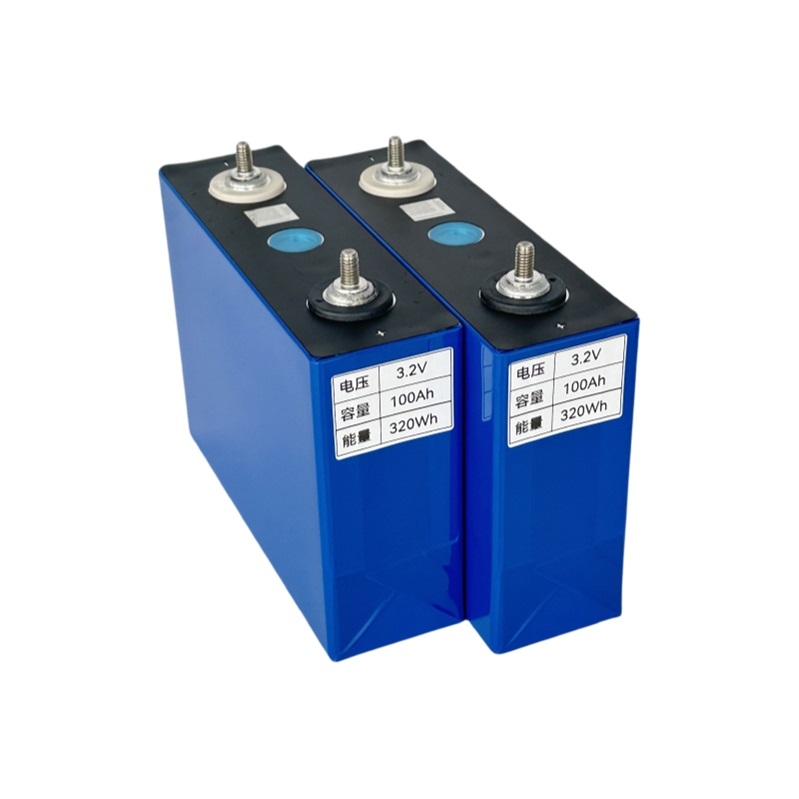






Why choose a 12 volt battery for golf cart?
The reasons for choosing a 12-volt battery for a golf cart are typically related to compatibility with existing electrical systems, the number of available batteries, and maintenance requirements. Many 48V systems consist of four 12V deep-cycle batteries connected in series, so using a single 12V battery as a replacement or upgrade unit is common practice. Choosing the appropriate battery type (flooded lead-acid, AGM, or LiFePO4) will affect weight, lifespan, charger compatibility, and maintenance frequency.
Tools & safety steps for installing a 12 volt battery for golf cart

Preparing tools and following safety procedures before installation is crucial: disconnect the power supply, wear insulated gloves and goggles, disconnect the negative terminal first, then the positive terminal, record or photograph the original wiring arrangement, and prepare a torque wrench to tighten the terminals according to specifications. After installation, connect the positive terminal first, then the negative terminal; check for short circuits and ensure secure fastening before powering on. Following these basic safety procedures can significantly reduce the risk of sparks, short circuits, or acid leaks.
Wiring & configuration when using a 12 volt battery for golf cart
If your system is 48V, it is typically composed of four 12V batteries connected in series (+ → − → + → −); a 36V system may use three 12V batteries connected in series. When wiring, be sure to restore the positive and negative terminals of the main cable to the original configuration (main positive to the positive terminal of the first battery, main negative to the negative terminal of the last battery), and verify that each battery connection is secure and the polarity is correct. Use a multimeter to verify the total voltage and individual cell voltages to ensure correct installation.
Charging, torque & maintenance for a 12 volt battery for golf cart
Battery charging voltage, equalization, and terminal torque are key to extending battery life. For example, it is commonly recommended that the recommended charging voltage for a 12V lead-acid battery be approximately 14.8V at 25°C (77°F) (this may vary slightly depending on the manufacturer and battery type), and should be compensated for according to temperature. Terminal torque and force should be performed according to the battery manufacturer’s instructions to avoid loosening or damage. Regularly cleaning the terminals, checking the water level (for lead-acid batteries), and performing equalization monthly or every few weeks (depending on battery type and usage) are good maintenance practices.
Comparison table
| Battery Type | Nominal Voltage | Pros | Cons |
|---|---|---|---|
| Flooded Lead-Acid | 12V | Low cost, mature and reliable | It requires water for maintenance and is relatively heavy. |
| AGM / Sealed Lead-Acid | 12V | Maintenance-free and vibration resistant | Higher cost than Flooded |
| LiFePO4 (Lithium) | 12V (or battery pack) | Long lifespan, lightweight, fast charging | Requires BMS and compatible charger, resulting in high initial costs. |
Practical checklist before first run after installing a 12 volt battery for golf cart
Double-check all terminal polarities and tightening torque;
Use a multimeter to measure the total voltage and individual unit voltages to ensure they are consistent with the system design.
If replacing with a lithium battery, confirm that the vehicle charger is compatible or has been replaced with a lithium-compatible charger, and install the BMS.(Battery Management System);
Secure the battery mounting hardware, shock absorbers, and wiring routing to ensure there is no wear or metal compression.
After the first charge-discharge cycle, the voltage and connection were checked again and found to be normal.
Conclusion
Installing a 12 volt battery for golf cart requires correct battery selection, strict safety steps (disconnect negative first), correct series wiring for system voltage, proper terminal torque, and charger compatibility—especially if converting to lithium chemistry. Follow manufacturer torque/charging specs and verify voltages after installation to ensure safe, reliable operation.