





How It Happens: The Chain Reaction of Thermal Runaway

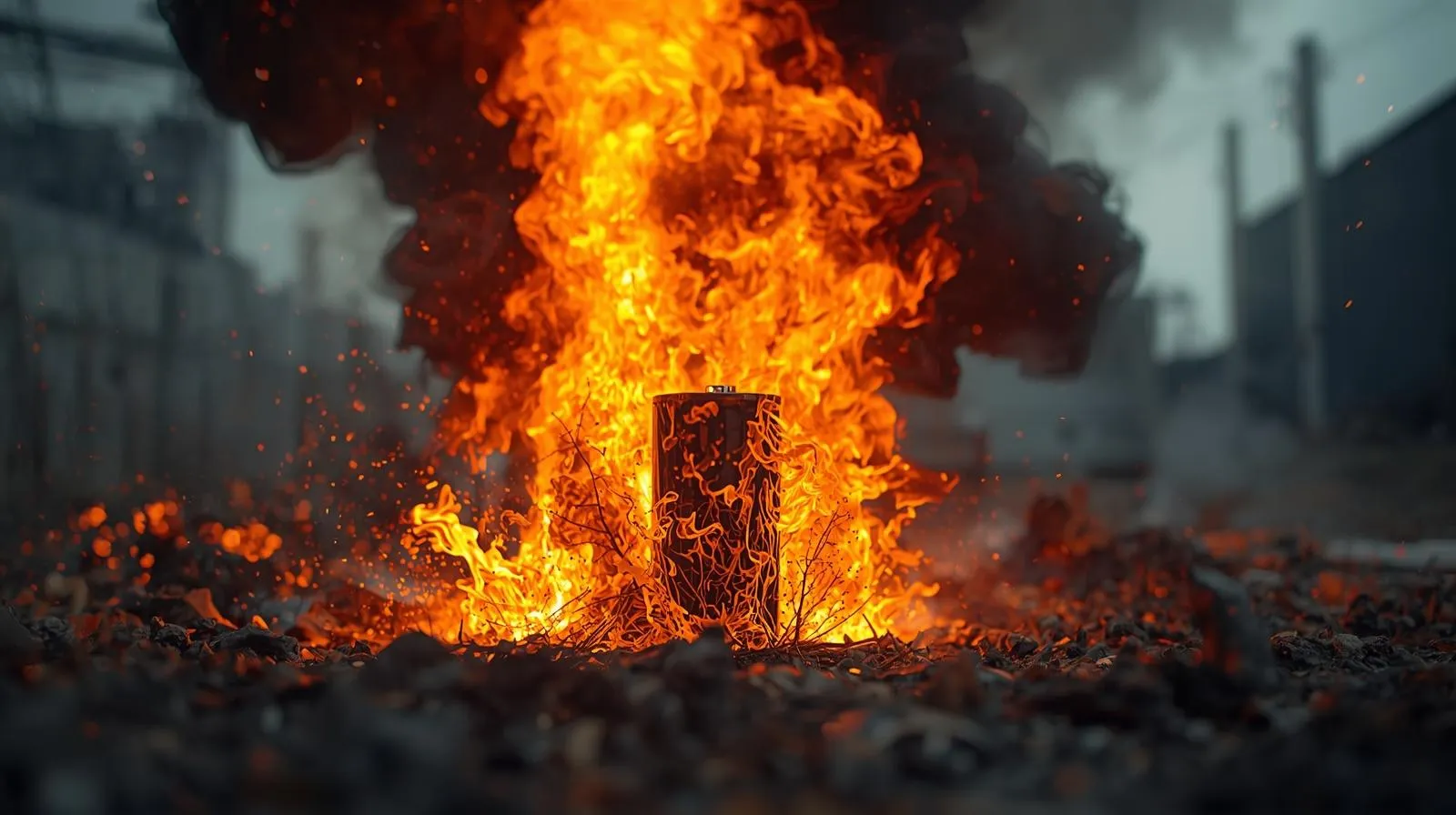
Thermal runaway is a cascading failure. Once triggered, one event leads to another in a rapid and violent sequence. The following chart illustrates this vicious, self-reinforcing cycle:

Stage 1: The Trigger (Internal Short Circuit)
It all begins with an internal short, creating a small, highly resistive connection between the anode and cathode. This generates intense local heat. Common triggers include:
Physical Abuse: Penetration (e.g., from a foreign object) or severe crushing that physically tears the separator.
Electrical Abuse:
Overcharging: Causes lithium plating (dendrites) on the anode, which can grow and pierce the separator.
Over-discharging: Can dissolve the copper anode current collector, redepositing it as sharp dendrites elsewhere.
Thermal Abuse: Exposure to high ambient temperatures (>90°C) can cause the separator to shrink or degrade.
Manufacturing Defects: Metallic particles or separator imperfections create inherent weak points.
Stage 2: SEI Layer Decomposition (90°C – 120°C)
The Solid-Electrolyte Interphase (SEI) layer on the anode is essential for stable operation. As temperature rises, this layer chemically decomposes. This is an exothermic reaction that exposes the highly reactive graphite anode to the electrolyte.
Stage 3: Separator Meltdown and Electrolyte Decomposition (~130°C – 150°C)
The polyolefin separator, now exposed to high heat, begins to melt. This turns a localized short into a large-area short circuit, drastically increasing heat generation. Simultaneously, the organic liquid electrolyte breaks down, producing flammable gases (CO, H₂, CH₄). Internal pressure builds, causing the cell to swell and the safety vent to potentially open.
Stage 4: Cathode Breakdown and Oxygen Release (180°C – 200°C)
This is a critical turning point. High-energy cathodes like NCM or NCA become thermally unstable and decompose, releasing oxygen. This is a game-changer—the cell is no longer just containing flammable gases; it is now generating its own oxidizer inside a sealed container.
Stage 5: Combustion and Explosion (>200°C)
With abundant heat, fuel (electrolyte, gases), and now oxygen, the conditions for combustion are met. The cell can violently ignite, ejecting gases and burning material through the vent in a jet fire. If the pressure builds too quickly for the vent to handle, the cell casing can rupture, causing an explosion.
How to Stop It: Prevention and Mitigation Strategies for Pack Design
Understanding this chain reaction allows us to design systems that break the chain at every possible step.
1. Prevention: Stopping the Trigger
This is the first and most crucial line of defense.
Advanced BMS (Battery Management System): Implement a robust BMS that rigorously prevents overcharge, over-discharge, over-current, and operation outside the safe temperature window.
Effective Thermal Management: Design cooling systems (liquid cold plates, etc.) that maintain a uniform, optimal temperature, especially during fast charging and high-rate discharge.
Robust Mechanical Design: Use strong enclosures, impact protection, and interstitial materials to prevent physical deformation and internal cell damage from vibration or crush events.
2. Containment and Delay: Slowing the Reaction
If a single cell fails, your goal is to prevent “thermal propagation” to its neighbors.
Cell Selection with Safer Chemistry: Consider LiFePO4 (LFP) cathodes for applications where ultimate safety is critical, as they have a much higher thermal runaway onset temperature and do not release oxygen during decomposition, fundamentally reducing the risk of fire.
> > Spotlight on Safety: Explore Our Compliant LFP Solutions < <
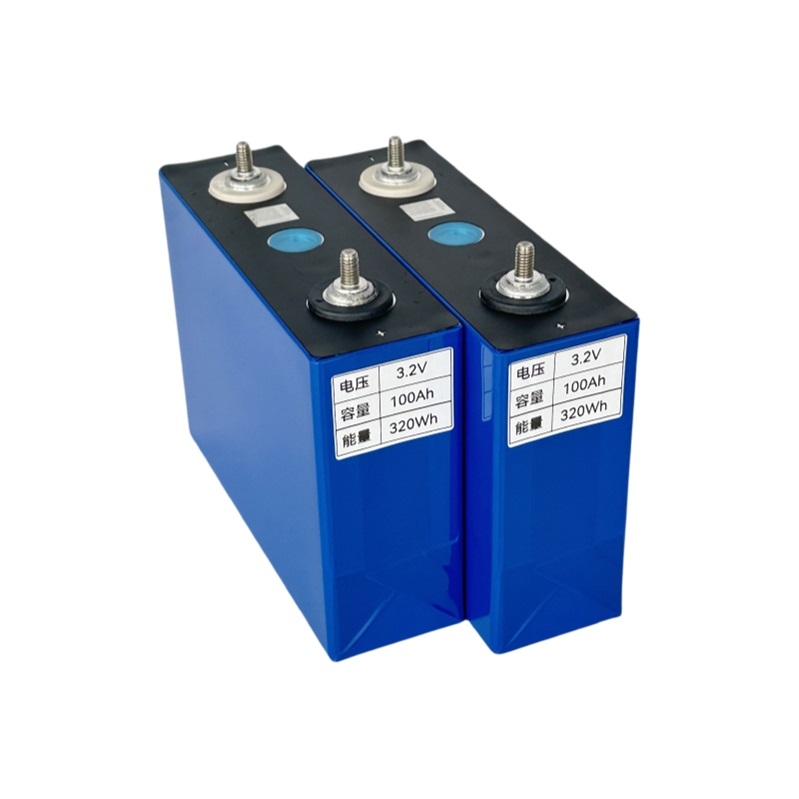
For engineers designing for maximum safety and reliability, our EVE LFP battery cells are engineered to meet these exact demands. They boast exceptional consistency from cell to cell, minimizing the risk of internal failure. Thanks to the stable LiFePO4 chemistry, they are inherently more resistant to thermal runaway, significantly reducing the likelihood of fire. Furthermore, our entire LFP product line is fully compliant with stringent EU safety and environmental standards, simplifying your certification process. [Learn more about our lithium iron phosphate batteries]Advanced Separators: Specify cells with ceramic-coated separators. These maintain integrity at much higher temperatures, delaying the progression from a local short to a full meltdown.
Thermal Barriers: Use materials like aerogel sheets between cells or modules. These act as firewalls, isolating the intense heat of a runaway cell and buying critical time for the system to manage the event.
3. Mitigation and Venting: Managing the Inevitable
If thermal runaway occurs, the system must control the outcome safely.
Directed Venting: Design the pack with a safe, managed venting path. This ensures that if a cell vents, the extremely hot and flammable ejecta is channeled away from other cells and out of the pack, preventing a cascade.
Fire Suppression/Inhibition: Integrate systems that can flood the module with a cooling or fire-suppressing agent upon detecting thermal runaway (e.g., rapid temperature rise or gas detection).
Conclusion
A lithium battery fire is not a simple event but a rapid, predictable chain reaction. For the pack engineer, the mission is clear: build a fortress with multiple layers of defense. By preventing the trigger with smart electronics and mechanical design, delaying the reaction with smart material choices and thermal barriers, and safely managing the failure with directed venting, we can create battery packs that are not only high-performing but also fundamentally safe.